Marijuana in South Korea: Cannabis in Seoul and Its Legal Status in 2026
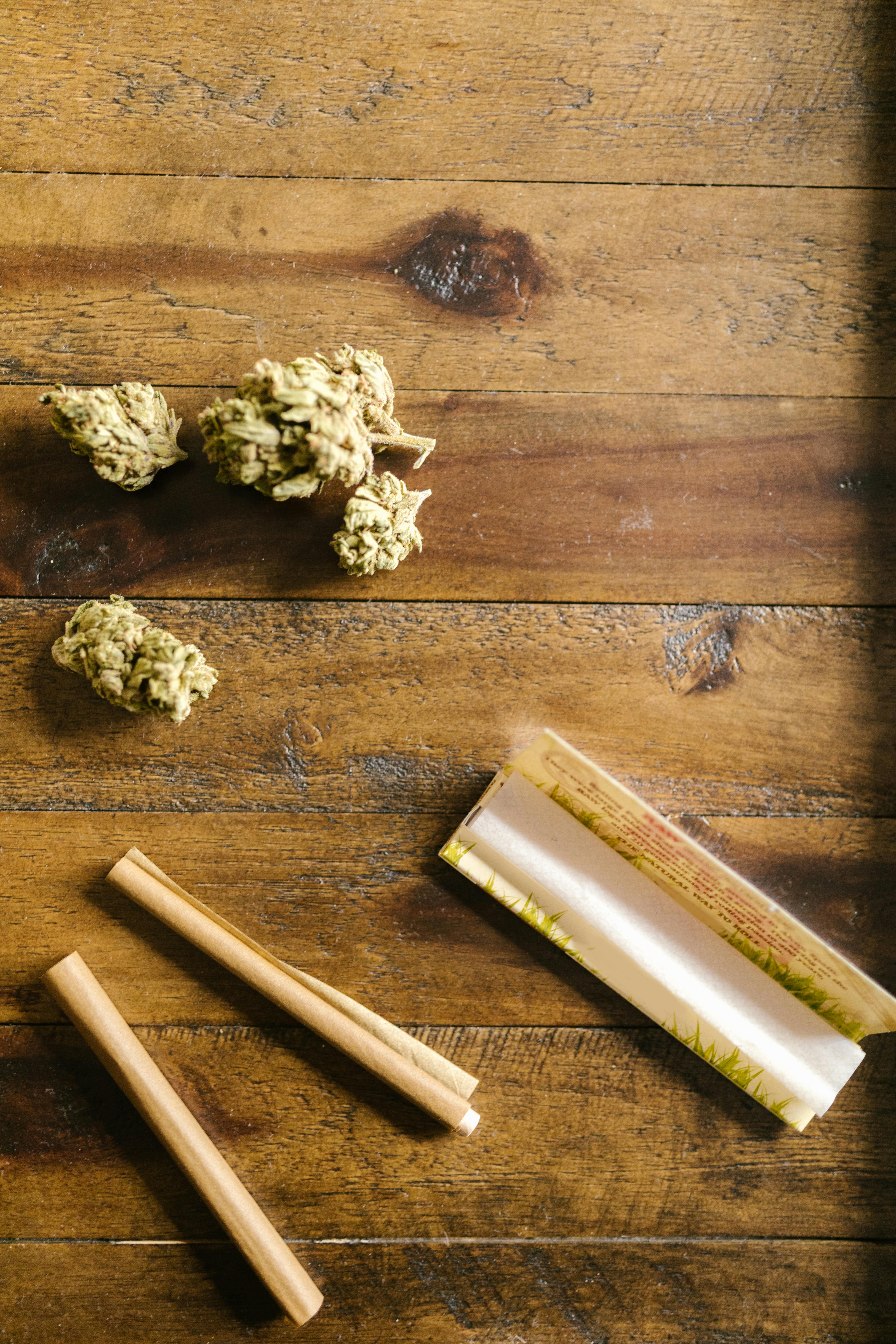
How to buy weed in South Korea in 2026?
Place an OrderCBD is usually described as the calmer option: it is associated with relaxation, reduced tension, recovery after stress, and support for sleep, without a strong change in perception.
THC works differently: it produces a psychoactive effect, can alter mood and sensory perception, enhance immersion in music or creativity, and sometimes make emotional reactions more intense. In South Korea, THC-containing products remain prohibited from regular retail circulation. If you are interested in purchasing THC marijuana, please follow the link.

CBD in South Korea: What Is Allowed in Practice
CBD in South Korea is permitted only in strictly limited forms and under specific conditions. Unlike in Europe, the market is not widespread and is not represented by a broad network of stores.
THC-free products are viewed primarily as specialized goods rather than as part of everyday wellness culture. That is why search queries such as “CBD Korea legality” or “CBD Seoul” remain niche, yet consistently present.
Marijuana Laws in Korea: Liability and Features of the System
South Korea regulates cannabis under criminal law, which provides for strict penalties for possession, distribution, and use of psychoactive substances. This control extends not only within the country, but also to citizens while abroad.
This approach reflects the country’s broader anti-drug strategy, where prevention and a demonstration of zero tolerance remain key priorities.

Medical Cannabis in South Korea: How Regulation Works
South Korea became one of the first countries in East Asia to officially allow limited use of medical cannabis. However, access is provided through a centralized system and only under strict medical indications.
This refers to prescription medicines that have passed international certification. It is not a free market, but a tightly controlled pharmaceutical segment.
Marijuana in Korea: Seoul and Other Cities
In Seoul and other major cities of South Korea, the topic of cannabis remains sensitive. Despite globalization and the influence of Western culture, public opinion as a whole still tends to remain conservative.
Media coverage and public scandals related to drug use shape a cautious perception of the issue. This significantly affects the pace of any possible changes in legislation.

Are There Any Prospects for Marijuana Legalization in South Korea?
The issue of marijuana legalization in South Korea does not currently occupy a central place on the political agenda. Government policy remains focused on strict control.
The most likely scenario is a gradual expansion of the medical segment, without any shift toward a recreational model in the foreseeable future.
FAQ — Cannabis in South Korea
Marijuana is not allowed in South Korea for recreational use.
There is no legal marijuana market in South Korea.
CBD is permitted only in strictly limited formats and under requirements that exclude the psychoactive component THC.
South Korea has allowed limited use of certain cannabinoid-based medical products.
Yes, for more information, please follow the link.
At the moment, the country does not appear to be moving toward recreational legalization.